
Description
Product Overview
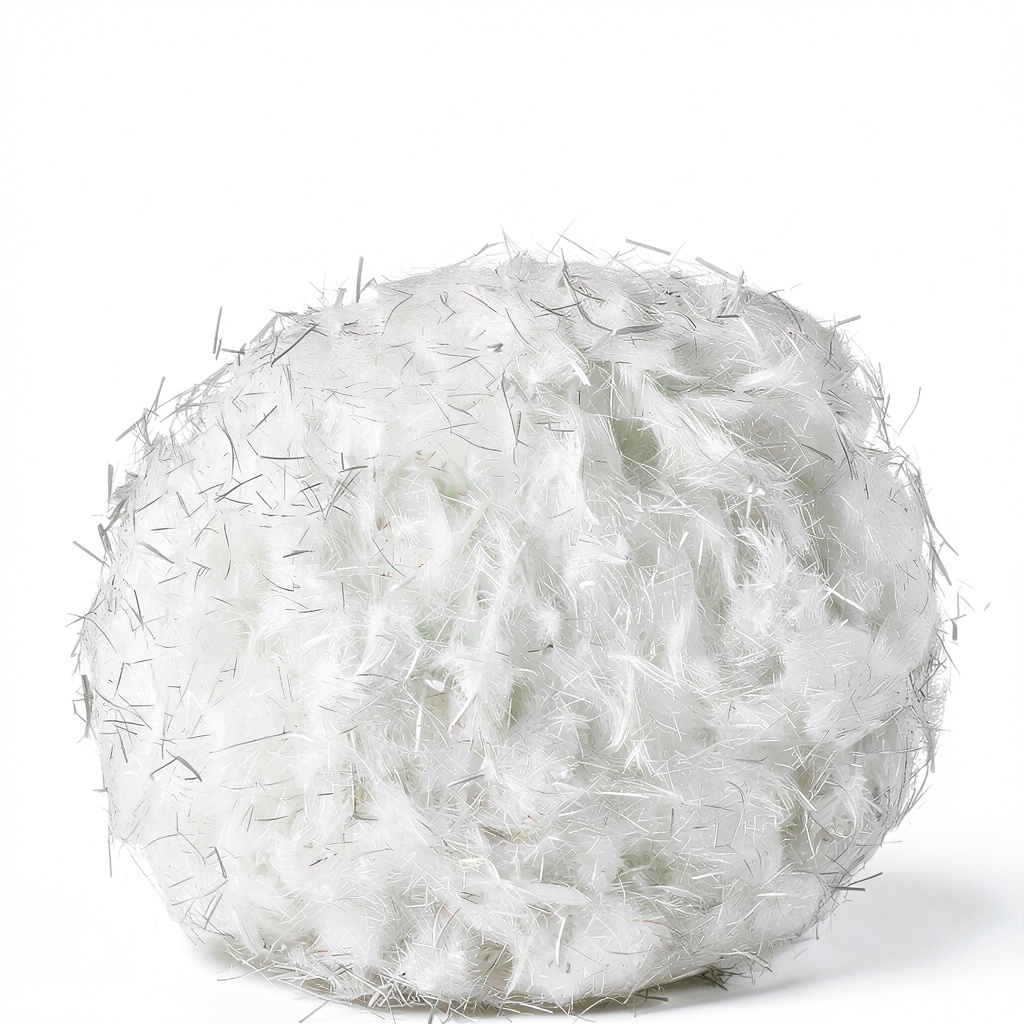
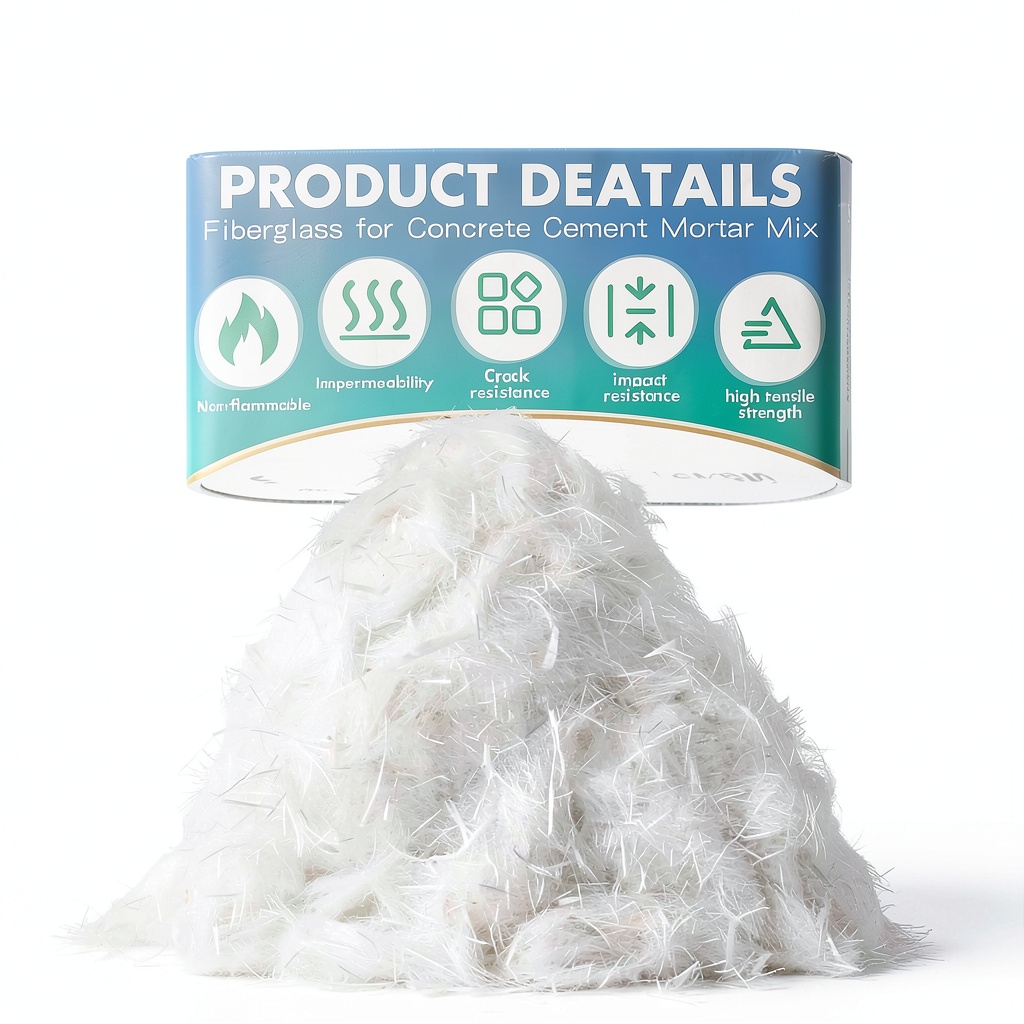
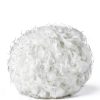
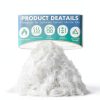
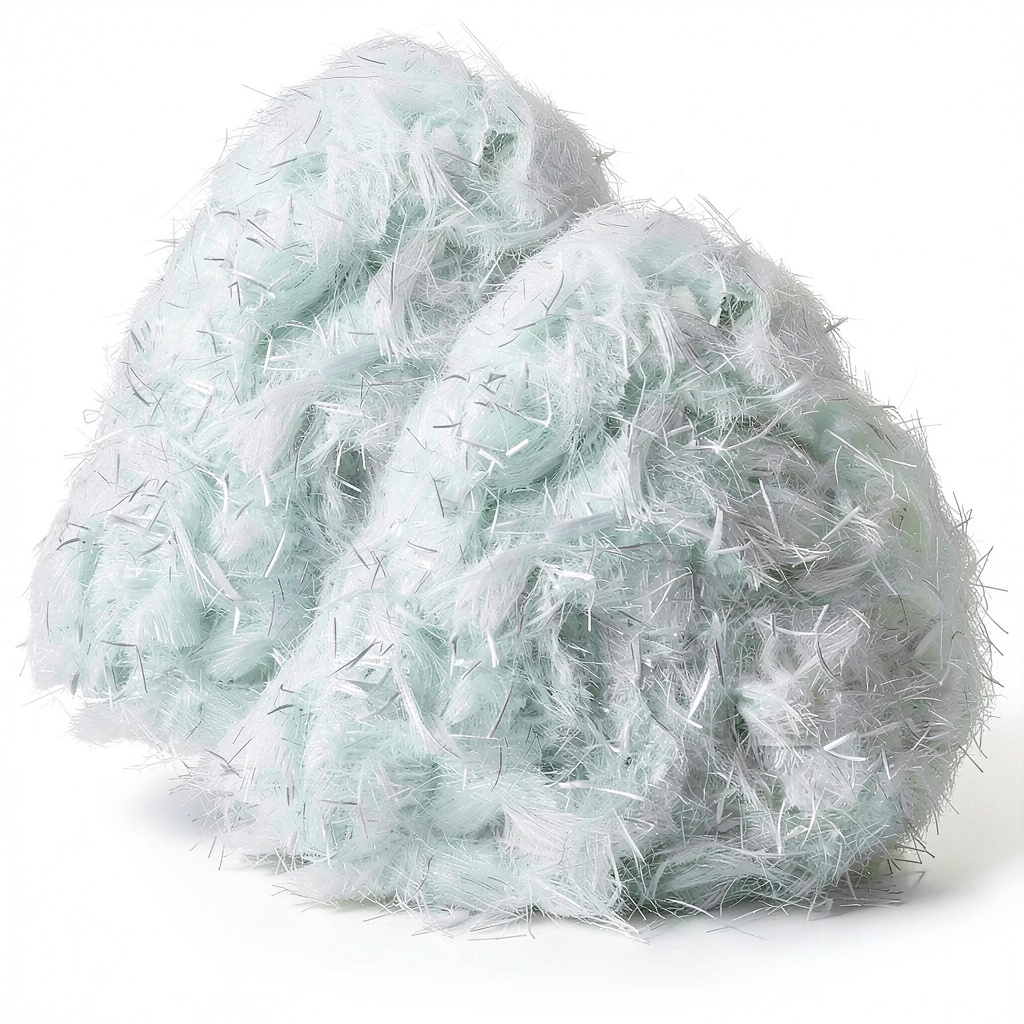
Fiberglass for Concrete 6.6 lb Reinforcement by Frienda Anti‑Seepage is engineered to deliver superior structural integrity while addressing common moisture challenges in construction projects. The product consists of high‑quality glass fibers measuring approximately 0.75 in (19 mm) in length, providing a balanced blend of flexibility and tensile strength. Designed for both professional contractors and dedicated DIY enthusiasts, this reinforcement material integrates seamlessly into standard cement, mortar, and concrete mixes, enhancing the overall performance of the final substrate. Its white coloration ensures visual compatibility with most concrete formulations, and the packaging delivers a convenient 6.6 lb (3 kg) quantity that is sufficient for a wide range of applications, from small‑scale garden pathways to larger foundation walls.
Each fiber in the Frienda reinforcement is produced from premium-grade silica glass, a material known for its inert chemical properties and resistance to alkaline environments typical of cementitious systems. The fibers undergo a controlled drawing process that aligns the molecular structure, resulting in a consistent diameter that maximizes load transfer between the fibers and the surrounding matrix. This uniformity not only improves the mechanical bond but also reduces the likelihood of fiber clumping, which can otherwise create weak points in the cured concrete. The white pigment added to the fibers serves a dual purpose: it matches the color of most concrete mixes for aesthetic uniformity and it provides an additional layer of protection against ultraviolet degradation during storage.
The manufacturing facility adheres to ISO‑9001 quality management standards, ensuring each batch of fibers meets strict dimensional tolerances and performance criteria. Raw silica is first melted at high temperatures before being extruded through precision nozzles that shape the fibers to the target 0.75 in length. After extrusion, the fibers are rapidly cooled to lock in their structural integrity, then subjected to a series of cleanliness inspections to remove any dust or contaminants that could compromise the bond with cement. Finally, the fibers are blended with a non‑reactive carrier and packaged in sealed, moisture‑resistant bags that preserve their dry condition until the moment of use.
The product is supplied in a compact package measuring 14.48 × 10.55 × 5.24 in, weighing 6.65 lb, which corresponds to the net fiber weight of 6.6 lb. Each bag contains a uniform distribution of fibers, ensuring that the user receives the full 0.75 in length across the entire volume. The white fibers have a density that slightly exceeds that of typical sand aggregates, allowing them to settle evenly within the mix without causing segregation. The packaging is designed with a resealable zip‑lock closure, providing protection against moisture ingress and facilitating easy dispensing during the mixing process. The product’s batch number and manufacturing date are printed on the label for traceability, supporting quality control for large‑scale construction projects.
Integrating Frienda fiberglass fibers into concrete or mortar mixes significantly enhances tensile capacity, allowing the composite to absorb and redistribute stresses that would otherwise lead to micro‑cracks. The fibers act as a bridging mechanism, holding together fissures that develop during curing or under load, thereby reducing the propagation of visible cracks. Laboratory tests have demonstrated up to a 30 % increase in flexural strength and a noticeable improvement in impact resistance when the recommended fiber dosage is applied. This reinforcement is especially valuable in thin‑poured slabs, decorative concrete, and precast elements where traditional rebar placement may be impractical or cost‑prohibitive.
The glass fibers also contribute to the impermeability of the hardened matrix by creating a denser particle network that limits the capillary pathways through which water can travel. When incorporated into concrete intended for basements, retaining walls, ponds, or garden flooring, the fibers help to mitigate seepage and reduce the risk of water‑induced deterioration such as corrosion of embedded steel or freeze‑thaw damage. The anti‑seepage characteristic is further enhanced when the mix design includes appropriate water‑reducing admixtures, allowing the fibers to function effectively without compromising workability. As a result, structures built with Frienda reinforcement exhibit longer service life and lower maintenance costs, delivering tangible value to property owners.
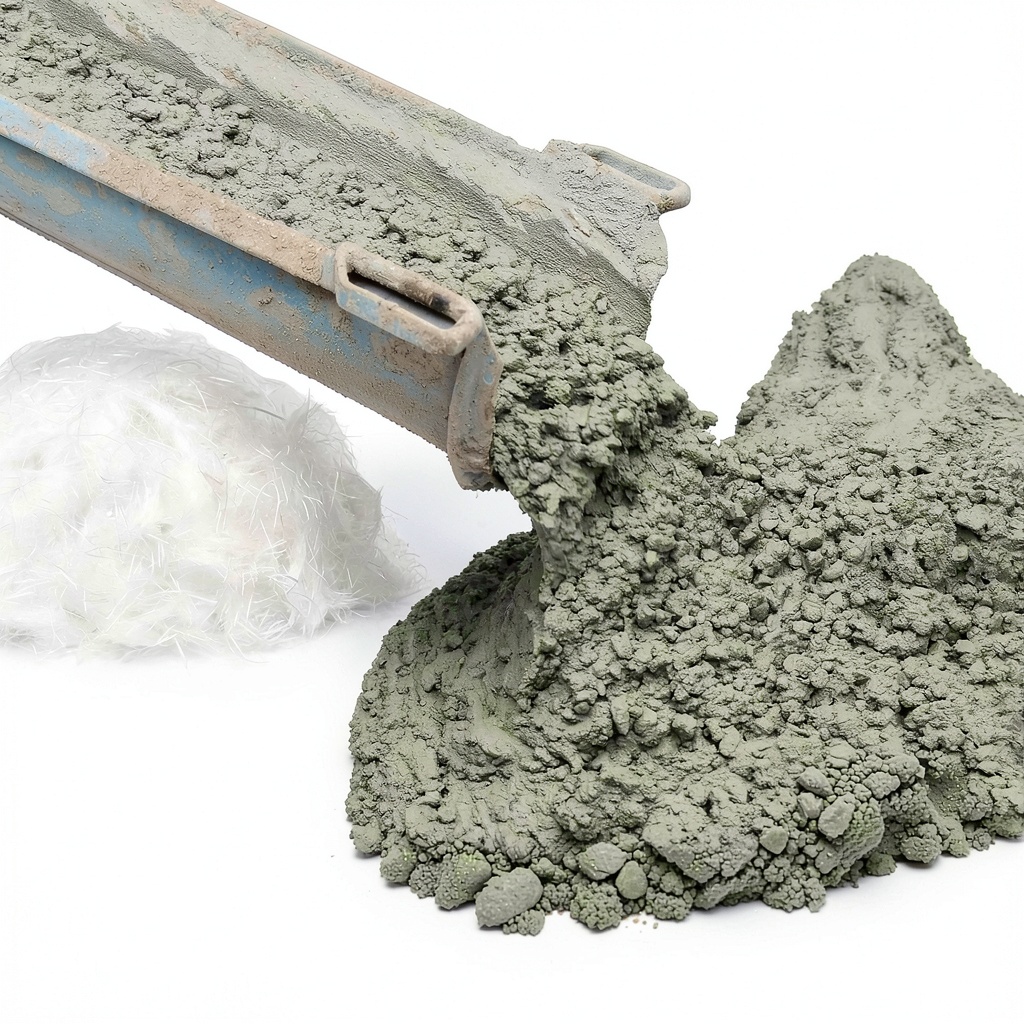
Frienda fibers are compatible with a broad spectrum of cementitious formulations, including ordinary Portland cement, high‑early‑strength blends, and polymer‑modified mortars. The fibers do not react chemically with common admixtures such as superplasticizers, air‑entraining agents, or corrosion inhibitors, allowing them to be used in conjunction with performance‑enhancing additives. For optimal dispersion, the recommended dosage is approximately 0.5 % by weight of the total dry mix, which translates to roughly one bag of fibers for every 200 kg of cementitious material. This proportion ensures that the fibers are evenly distributed without causing clumping, while still delivering the desired mechanical and waterproofing benefits.
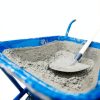
To achieve consistent results, follow these step‑by‑step guidelines: 1) Measure the required amount of dry cement, sand, and aggregate according to the project specifications. 2) Add the measured Frienda fibers to the dry mix and stir gently for 30 seconds to ensure uniform distribution. 3) Introduce water or a water‑reducing admixture gradually while mixing, maintaining a workable slump. 4) Continue mixing for an additional 2–3 minutes until the fibers are fully integrated and the mixture appears homogenous. 5) Place the concrete promptly, compacting it with a vibrator or tamping tool to eliminate air pockets. 6) Finish the surface as desired and allow the concrete to cure under appropriate temperature and humidity conditions, typically 7 days for initial strength gain.
While the standard dosage is 0.5 % by weight, adjustments can be made based on specific performance goals. For projects requiring heightened crack resistance, increasing the fiber content to 0.75 % can provide additional reinforcement without significantly affecting workability. Conversely, for very fluid mixes such as self‑leveling screeds, a lower dosage of 0.3 % may be preferable. It is essential to avoid adding fibers after the water has been fully incorporated, as this can lead to clumping. Instead, introduce the fibers early in the dry stage or use a high‑shear mixer to promote even dispersion. Monitoring the slump and adjusting water content accordingly will help maintain the desired consistency.
Proper curing is critical to realize the full benefits of the fiberglass reinforcement. After placement, keep the surface moist for at least three days using wet burlap, curing compounds, or periodic misting. This moisture retention allows the cement matrix to hydrate fully, enabling the fibers to bond effectively with the surrounding paste. Avoid rapid drying or exposure to freezing temperatures within the first 24 hours, as these conditions can compromise the fiber‑matrix interface. When handling the bags, store them in a dry, temperature‑controlled environment to prevent moisture absorption, which could reduce the fibers’ effectiveness. If the fibers become damp, allow them to air‑dry before incorporation into the mix.
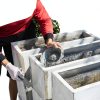
Although the fibers are non‑hazardous, standard personal protective equipment such as gloves, safety glasses, and dust masks is recommended during handling to prevent irritation from fine particles. The fibers are not combustible and do not release toxic fumes, making them safe for indoor and outdoor use. In case of accidental skin contact, rinse the area with water and mild soap. Store the product away from direct sunlight and extreme temperatures to preserve its performance characteristics. The packaging includes clear handling instructions and a safety data sheet (SDS) for reference.
Frienda fibers are manufactured from recyclable glass and do not contain harmful chemicals, aligning with sustainable building practices. The product’s lightweight nature reduces transportation emissions compared with heavier reinforcement options such as steel rebar. Additionally, the increased durability and reduced cracking of concrete structures can extend their lifespan, decreasing the need for frequent repairs or replacements, which further contributes to resource conservation. End‑of‑life disposal follows standard construction waste guidelines, and the fibers can be incorporated into new mixes, supporting a circular economy approach.
Compared with traditional steel reinforcement, fiberglass fibers offer several distinct advantages: they are non‑magnetic, eliminating interference with electromagnetic equipment; they are corrosion‑free, ensuring long‑term performance in aggressive environments; and they are lightweight, simplifying handling and reducing labor costs. While steel provides high tensile strength, the fibers excel in controlling micro‑cracks and enhancing flexural performance, especially in thin sections where rebar placement is impractical. In contrast to polymer fibers, glass fibers maintain superior temperature resistance and do not degrade under UV exposure, making them suitable for outdoor applications. Selecting Frienda’s glass fiber reinforcement balances strength, durability, and ease of use for a wide range of construction scenarios.
Frienda stands behind the quality of its fiberglass reinforcement with a comprehensive warranty that covers material defects for up to one year from the date of purchase. Customers can access technical support through a dedicated helpline or email, where trained engineers provide guidance on mix design, application techniques, and troubleshooting. The company also offers downloadable resources, including installation videos, data sheets, and a detailed FAQ section, to help users achieve optimal results. In the unlikely event of a product issue, Frienda will arrange a replacement or refund in accordance with its return policy, reinforcing confidence in the purchase.
The versatility of Frienda glass fibers extends beyond conventional concrete slabs. In architectural concrete, the fibers enable the casting of intricate decorative panels with reduced risk of surface cracking, preserving aesthetic detail. For precast tunnel segments, the reinforcement improves resistance to cyclic loading and groundwater pressure, enhancing long‑term stability. In repair mortars, a small dosage of fibers can restore the structural integrity of deteriorated sections without the need for full‑depth replacement. Additionally, the fibers are suitable for 3D‑printed concrete structures, where their fine dimensions support layer adhesion and prevent delamination during the printing process. These advanced uses demonstrate the product’s adaptability to emerging construction technologies and specialized project requirements.
In a recent residential renovation project, a homeowner used Frienda fibers to reinforce a basement floor that previously suffered from chronic seepage and hairline cracks. By adding the recommended 0.5 % fiber dosage to the concrete mix, the finished slab exhibited no visible cracking after a six‑month observation period, and moisture readings indicated a 40 % reduction in water ingress compared with the prior unreinforced slab. A municipal park renovation employed the fibers in a decorative concrete paving system, where the enhanced flexural strength allowed for thinner sections without compromising durability, resulting in cost savings on material volume. Both cases highlight the practical benefits of the fibers in real‑world settings, confirming the laboratory‑tested performance gains.
To maximize the effectiveness of Frienda fibers, consider pre‑wetting the fibers with a small amount of water before adding them to the dry mix; this can reduce static cling and promote even distribution. When working with high‑strength concrete, use a high‑shear mixing paddle to break up any initial clumps and achieve a uniform fiber network. For large‑scale pours, divide the total fiber quantity into smaller batches and add each batch sequentially during mixing to maintain consistency. It is also advisable to perform a small trial mix to verify workability and adjust water content as needed before committing to the full batch. Document the mix proportions and fiber dosage for future reference and quality control.
Even after the concrete has cured, the presence of glass fibers continues to provide ongoing protection against crack formation and water penetration. Regular inspections should focus on detecting early signs of surface wear, especially in high‑traffic or exposed areas. If minor surface cracks appear, a thin overlay of fiber‑reinforced repair mortar can be applied to restore integrity without removing the existing slab. Keep the surrounding environment clean and free of aggressive chemicals that could degrade the concrete matrix. Periodic sealing with a compatible waterproofing coating can further extend the lifespan of the structure, leveraging the inherent anti‑seepage properties of the embedded fibers. By following these maintenance practices, owners can preserve the structural benefits delivered by Frienda reinforcement for many years.
Usage
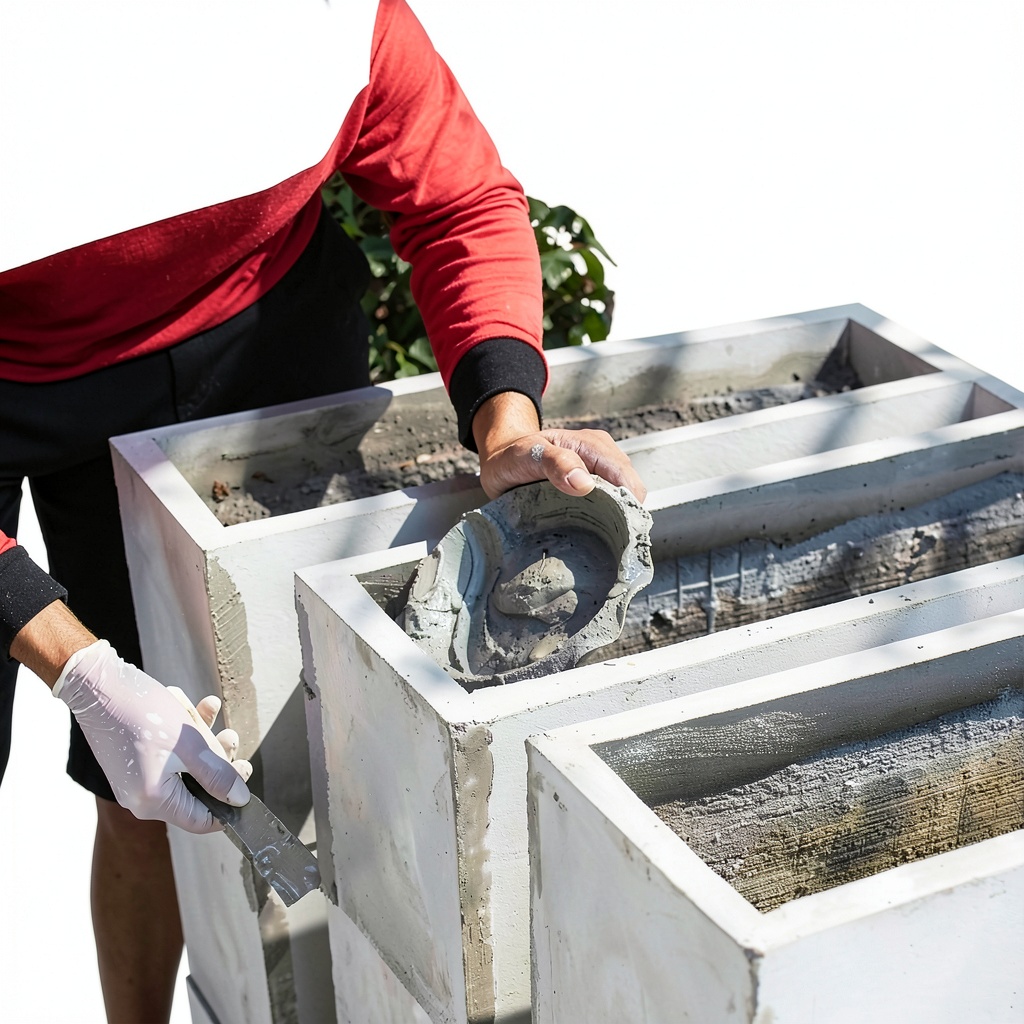
The product is ideal for basements, ponds, garden floors, and other wet environments where seepage and cracking are concerns. Its lightweight nature makes it easy to transport and handle on job sites of any scale. Contractors and DIY enthusiasts alike can benefit from the straightforward mixing process and the reliable performance it delivers in both structural and decorative concrete applications.
Why Choose Us
Choosing Frienda means selecting a reinforcement solution backed by rigorous quality control, a solid warranty, and responsive technical support. Our fibers are engineered for consistency, ensuring that each batch performs as expected, reducing the risk of unexpected failures on the job site. The combination of strength, durability, and ease of integration makes our product a trusted partner for modern construction challenges.
Key Features
- Boosts tensile and flexural strength, reducing crack formation.
- Provides waterproofing and anti‑seepage performance for wet areas.
- Lightweight and easy to handle, cutting labor and installation time.
- Compatible with all standard cement mixes and admixtures.
- Backed by a one‑year warranty and dedicated technical support.
FAQ
How do I determine the correct amount of fibers for my mix?
Use the standard dosage of 0.5 % by weight of the dry ingredients; adjust up to 0.75 % for higher crack resistance or down to 0.3 % for very fluid mixes.
Can the fibers be used with self‑leveling concrete?
Yes, but use a lower dosage (around 0.3 %) and ensure thorough mixing with a high‑shear mixer to maintain workability.
What safety precautions are required when handling the fibers?
Wear gloves, safety glasses, and a dust mask to avoid skin irritation from fine particles; store the product in a dry place.


Reviews
There are no reviews yet.